Racism. This is pretty much a huge topic today. Last week, the current resident of the White House made some racist remarks and double downed on them. This is no surprise, as he has been saying racist stuff for quite some time. So, why did I want to write about racism today? Because, I needed to.
I met with an old friend for dinner this past weekend. We used to be really close, then life happened and we became distant, but still friends. I think that’s pretty normal for adults. So, she was telling me about moving out of state and how nice it was to go to a grocery store and have everyone inside be white (we are both white). I literally looked at her and was like, WTF? Anyways, she clarified that she wasn’t racist, that she just liked not being the minority. She went on about not having taco trucks and people not selling stuff on the corners (you know, to make sure I knew she wasn’t racist). I encouraged her to take a look back at what she had just said when she told me she wasn’t racist.
But, I was screaming inside for too many reasons to explain. But the main one is just that what she said was racist and it was wrong. I am lucky. I truly am. I work alongside so many different cultures: black, Filipino, LGBTQ, etc. I am surrounded by different cultures and races and we OPENLY talk about it. So, when she said this, I went straight to thinking about what my friends would feel like, hearing this, knowing this; and I just got mad.
Racism is something that social workers have to fight daily. We educate people, we hear people out and we work with those who have been traumatized due to being victims of racism. Racism is real. It is as real today as it was 50, 100, 150, 200 years ago (you get the picture).
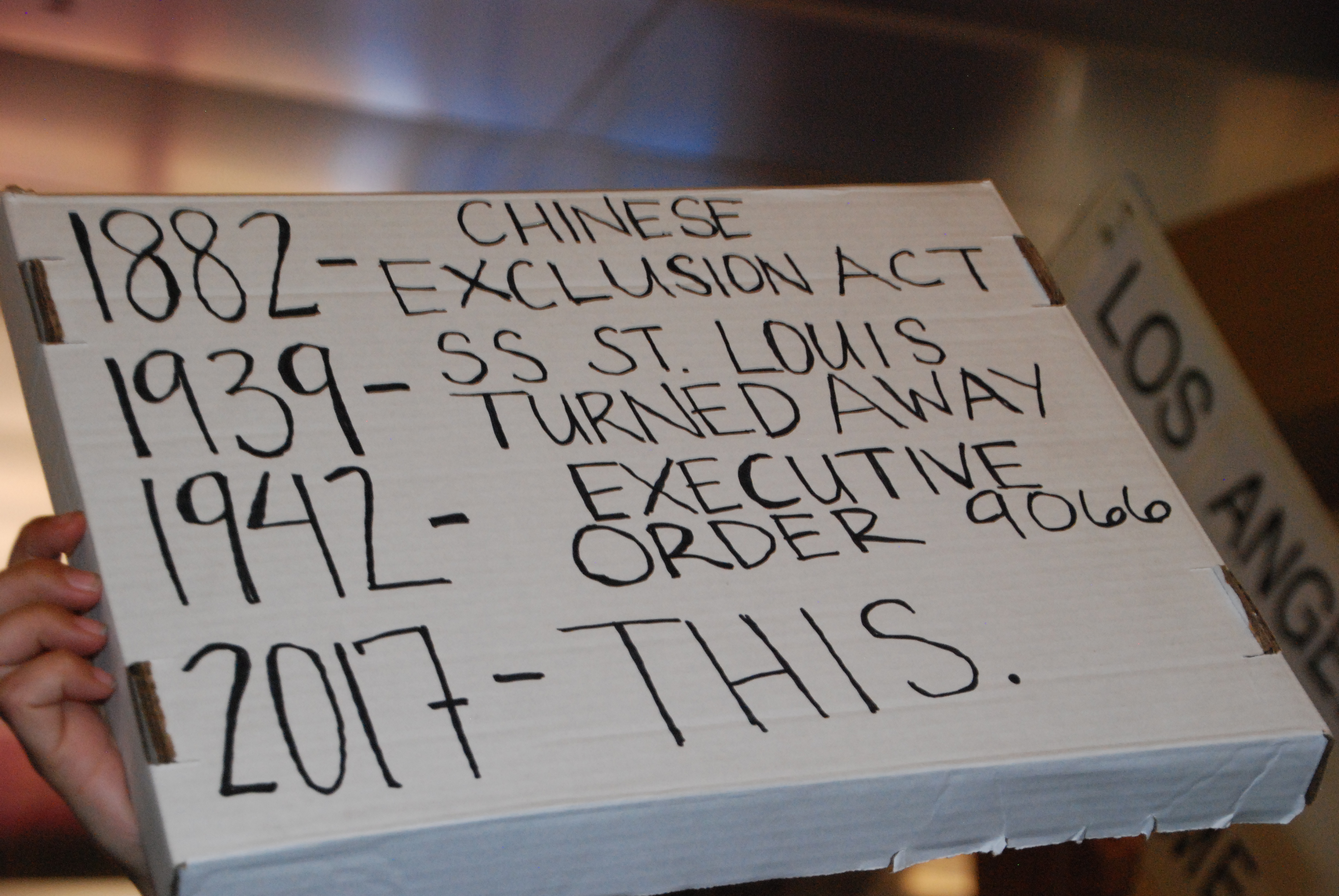
Photography has been a huge influence in the fight against racism, in the fight to make people aware of racism and the trauma of racism. Photography shows us that racism is learned; that it is not how we are born. How does photography do this? Easy. Do you remember seeing a photo of Dr. MLK Jr making his famous speeches? What about those fighting for civil rights crossing the Edmund Pettus Bridge in Selma, AL? What about the photographs of the American’s of Japanese descent that we (America) forced into concentration (or a more friendly name, Internment) camps. Or the famous photo of the men crammed inside the bunk beds in Auschwitz. If we didn’t have the photographic (or videographic) proof, then it would be easy to ignore it.
Photography is proof.
I know this is a more serious topic. And, I’m pretty sure I am not giving it justice what-so-ever, but, I truly felt compelled to write about it.
I do hope, that through my work, through my experiences, my travels and just through life, I can make a positive difference in some way; even if it is just for a small group of people.
 Social Work Photography